
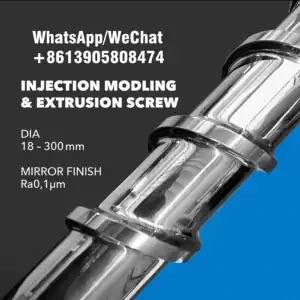
In the realm of plastic extrusion, the screw barrel is a critical component directly influencing product quality and machine efficiency. Among various types, the bimetallic screw barrel stands out for its superior wear resistance and longevity, especially when processing abrasive or high-filled materials.
If you want to maximize your extrusion line’s uptime and output quality, understanding the benefits of bimetallic screw barrels is essential.
What Is a Bimetallic Screw Barrel?
A bimetallic screw barrel consists of a base steel substrate (usually 38CrMoAlA alloy steel) and an inner layer made from a wear-resistant, corrosion-resistant alloy. This inner layer, often applied via centrifugal casting or welding, contains materials like chromium, nickel, or cobalt alloys designed to withstand the harsh wear conditions inside the barrel.
This combination gives you:
- High structural strength from the substrate
- Superior wear resistance from the inner bimetallic lining
Why Choose a Bimetallic Screw Barrel?
When processing materials filled with glass fibers, flame retardants, calcium carbonate, or recycled plastics, wear and corrosion inside the barrel accelerate dramatically. A traditional single-metal barrel will wear out quickly, leading to:
- Increased clearance between screw and barrel
- Reduced melting efficiency
- Frequent downtime and maintenance costs
Bimetallic barrels can increase service life by 3 to 5 times compared to standard barrels, reducing replacement frequency and improving productivity.
👉 Related: Wear-resistant Coatings for Screw Barrels
Applications of Bimetallic Screw Barrels
- PVC pipe and profile extrusion
- Wood plastic composites (WPC)
- Engineering plastics with fillers
- High-temperature materials requiring corrosion resistance
They are compatible with major extruder brands such as KraussMaffei, Battenfeld, Coperion, Milacron, and Haitian.
How Are Bimetallic Screw Barrels Made?
The manufacturing process usually involves:
- Selecting a high-quality steel substrate
- Applying the bimetallic alloy layer via centrifugal casting or overlay welding
- Precision CNC machining to achieve tight tolerances
- Nitriding or other surface hardening treatments for enhanced performance
This process ensures excellent bonding strength between layers and consistent barrel thickness.
Signs You Need a Bimetallic Barrel Upgrade
- Rapid wear observed on your existing barrel
- Processing abrasive or filled materials
- Frequent machine downtime due to screw-barrel clearance
- Product quality inconsistency or contamination
- Desire to increase output or reduce maintenance
Why Choose Zhoushan Juyuan Machinery for Your Bimetallic Screw Barrel?
With over 20 years in the industry, we specialize in:
- Custom bimetallic screw barrels tailored to your extrusion needs
- OEM-compatible barrels for global machine brands
- Fast production with strict quality control
- Global shipping and professional after-sales support
📧 Email: cxj.job@gmail.com
📱 WhatsApp: +86 13905808474
🌐 Visit Our Website
Conclusion
Switching to a bimetallic screw barrel is a proven way to enhance extrusion efficiency, extend equipment life, and reduce operational costs. Whether you’re upgrading an existing line or building a new one, investing in high-quality bimetallic barrels can make all the difference.
Contact us today to learn how our bimetallic solutions can help you achieve better production results.