
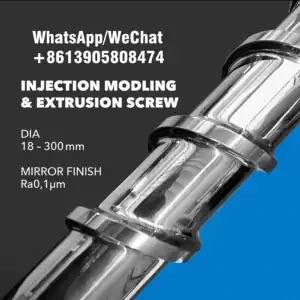
Twin screw extruders have become a cornerstone in the plastics, food, pharmaceutical, and chemical industries due to their excellent mixing, compounding, and processing capabilities. But the real efficiency and performance of a twin screw extruder depend heavily on the quality and configuration of its parts. In this blog, we’ll explore the key components of twin screw extruders, their functions, materials, and how to choose the right ones for your application.
🔧 Main Twin Screw Extruder Parts
Here’s a breakdown of the essential parts that make up a twin screw extruder:
1. Screw Elements
- Function: Convey, melt, mix, and pressurize the material.
- Types:
- Conveying elements
- Kneading blocks
- Mixing elements
- Materials: High-speed tool steel, nitrided steel, and bimetallic alloys for wear and corrosion resistance.
2. Barrel Sections
- Function: House the screws and provide heating/cooling zones.
- Configuration: Modular or one-piece
- Materials: Nitrided steel, bimetallic alloy liners
- Special Types: Vented barrels, side feeder barrels, liquid injection barrels
3. Gearbox
- Function: Transfers motor torque to the screws at the required speed.
- Key Features: High torque capacity, oil lubrication, cooling system
4. Feeding System
- Function: Delivers raw material into the extruder.
- Types:
- Volumetric feeders
- Gravimetric feeders
- Side feeders (for fillers, glass fiber, etc.)
5. Heating and Cooling System
- Function: Maintain precise temperature control along the barrel.
- Methods: Electrical heaters, oil or water circulation
6. Die Head
- Function: Shapes the extruded material before it enters downstream processes.
- Customization: Tailored for pipes, sheets, granules, or films
7. Control System
- Function: Monitors and regulates temperature, pressure, torque, and screw speed.
- Options: PLC-based or PC-based touchscreen control panels
🛠️ Why Quality Parts Matter
Using high-precision, wear-resistant parts extends the lifespan of your extruder and ensures consistent product quality. Poorly made screws or barrels can lead to:
- Uneven material flow
- Reduced output
- Increased energy consumption
- Shorter maintenance cycles
For abrasive materials like glass-filled plastics, it’s critical to choose bimetallic barrels and wear-resistant screw elements.
✅ How to Choose the Right Parts
When selecting twin screw extruder parts, consider:
- Material compatibility: Choose alloy materials based on abrasiveness and corrosiveness.
- Machine brand/model: Match screw and barrel specs with OEM or customized design.
- Application type: Compounding, pelletizing, devolatilization, etc.
- Throughput needs: Higher output may require modified screw geometry.
💡 Tip: Always work with an experienced manufacturer that provides design consultation, 3D modeling, and after-sales service.
🔗 Recommended Resources
- Plastics Technology Magazine – Twin Screw Extrusion Basics
- Polymer Processing Institute – Technical Papers
- Wikipedia – Twin Screw Extruder
📞 Looking for Reliable Twin Screw Extruder Parts?
At Zhoushan Juyuan Machinery Co., Ltd., we specialize in manufacturing precision screw and barrel components for twin screw extruders used in plastic, rubber, and chemical industries. With over 20 years of experience and a global client base, we offer:
- Customized screw & barrel designs
- Bimetallic, nitrided, and heat-treated materials
- Compatible parts for top brands like Coperion, Leistritz, JSW, KraussMaffei, and more
📧 Contact us today for a quote or technical support:
🌐 Website: https://juyuan-machinery.com
📩 Email: cxj.job@gmail.com
📱 WhatsApp: +86 13905808474